1. What makes your soaps different to those you can buy in shops?
Most commercial soaps are synthetic detergents. I make my soaps using the cold process method, which keeps the natural glycerin that moisturises the skin.
I also use at least 5% superfatting, which means that some of the precious oils and butters in my soaps are left unsaponified, so they can still care for your skin while you're washing.
2. Is this soap safe for people with sensitive skin or eczema?
Yes, I am a specialist in the care of problematic and sensitive skin. Ingredients such as colloidal oats, kaolin, and almond oil are carefully selected for their soothing properties, helping to alleviate irritation and mild itching. The soaps are formulated without synthetic preservatives or aggressive foaming agents (SLS).
3. Why does soap take four weeks to cure?
The most important thing in making soap is to be patient. During the four weeks it takes, the soap dries out, becomes harder and more durable, and its pH level stays more stable. When this is done, the soap is as gentle as possible and can be used on even the most sensitive skin.
4. What do I need to do to make my handmade soap last a long time?
Natural soap contains lots of nourishing oils and glycerin, so it doesn't like sitting in water. Let it dry on a dish that lets air through
(ideally one with a drain or a grid) between uses. This will make it last longer.
5. Do you use synthetic dyes?
No, I don't think so. When it comes to colouring, I only use mineral clay (kaolin) or mica powders, which are made from natural minerals. The scent comes from pure essential oils, which also have therapeutic benefits.
6. Is clary sage soap suitable for everyone?
Clary sage is great for balancing oil production and keeping skin clear. However, it is generally recommended that pregnant women avoid clary sage essential oil (especially during the first three months of pregnancy). If you are pregnant, I suggest choosing my lavender soap or the version without essential oils.
7. Why is handmade soap more expensive than soap you can buy in a shop?
The price shows the difference between a product that is made in large quantities and one that is made with care.
Here are the main reasons:
The quality of the ingredients is important. Many commercial soaps are made from animal fats or petroleum, but I only use plant-based oils (almond, macadamia, castor) and butters.
Glycerin is a moisturising ingredient that is removed from soap by mass producers who then sell it on as a separate product. In my soap, all the glycerin stays where it belongs – in your skin.
Time and Handcrafting – You can make soap very quickly using machines. I need to spend time mixing the soap and then caring for it during the curing process.
This product is good for your skin, not just because it cleanses
8. How do you package soap, and why?
I make sure the packaging is as clean as the soap itself.
I always use materials that are good for the environment.
This includes things like recyclable paper, natural twine, and compostable materials.
I like to keep things simple so that the soap can "breathe" and we don't create unnecessary plastic waste.
Product protection: I also make sure the soap is clean and undamaged when it reaches you. The packaging is designed to protect the precious essential oils from evaporating until you unwrap the soap for the first time in your bathroom.
09. Are your soaps suitable for children aged 3 and older?
Yes, my soaps are generally suitable for children from the age of 3, and they are often much gentler on their skin than commercial liquid soaps from the drugstore.
Why they are suitable: They contain no harsh foaming agents (like SLS/SLES) that can irritate thin, delicate child's skin. Instead, they are packed with colloidal oatmeal, buttermilk, and nourishing oils that actively protect the skin's natural barrier.
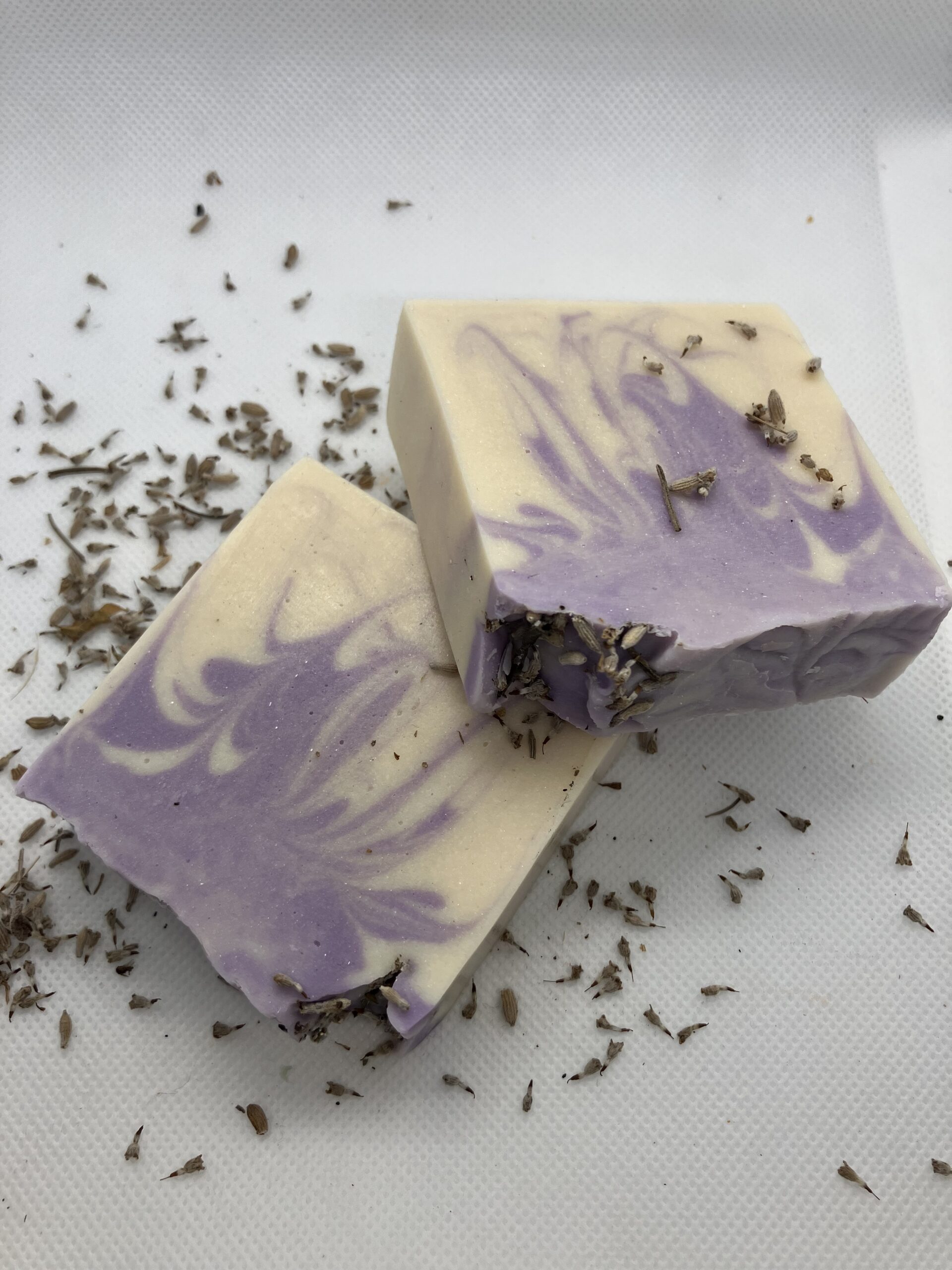
Which soap to choose: For children, I highly recommend our gentlest formulas, such as the Lavender variant, Sweet Orange, or soaps featuring colloidal oatmeal. These selections soothe the skin and prevent dryness.
What to watch out for: For young children, it is best to be cautious with soaps containing Clary Sage or very strong citrus essential oils
(such as grapefruit)—I recommend reserving these variants for adults or strictly for washing hands, rather than a full body bath for a child.
A quick safety tip: If your child has extremely sensitive skin, I always recommend testing the soap on a small area of skin first (like the inner forearm) to ensure a perfect match.